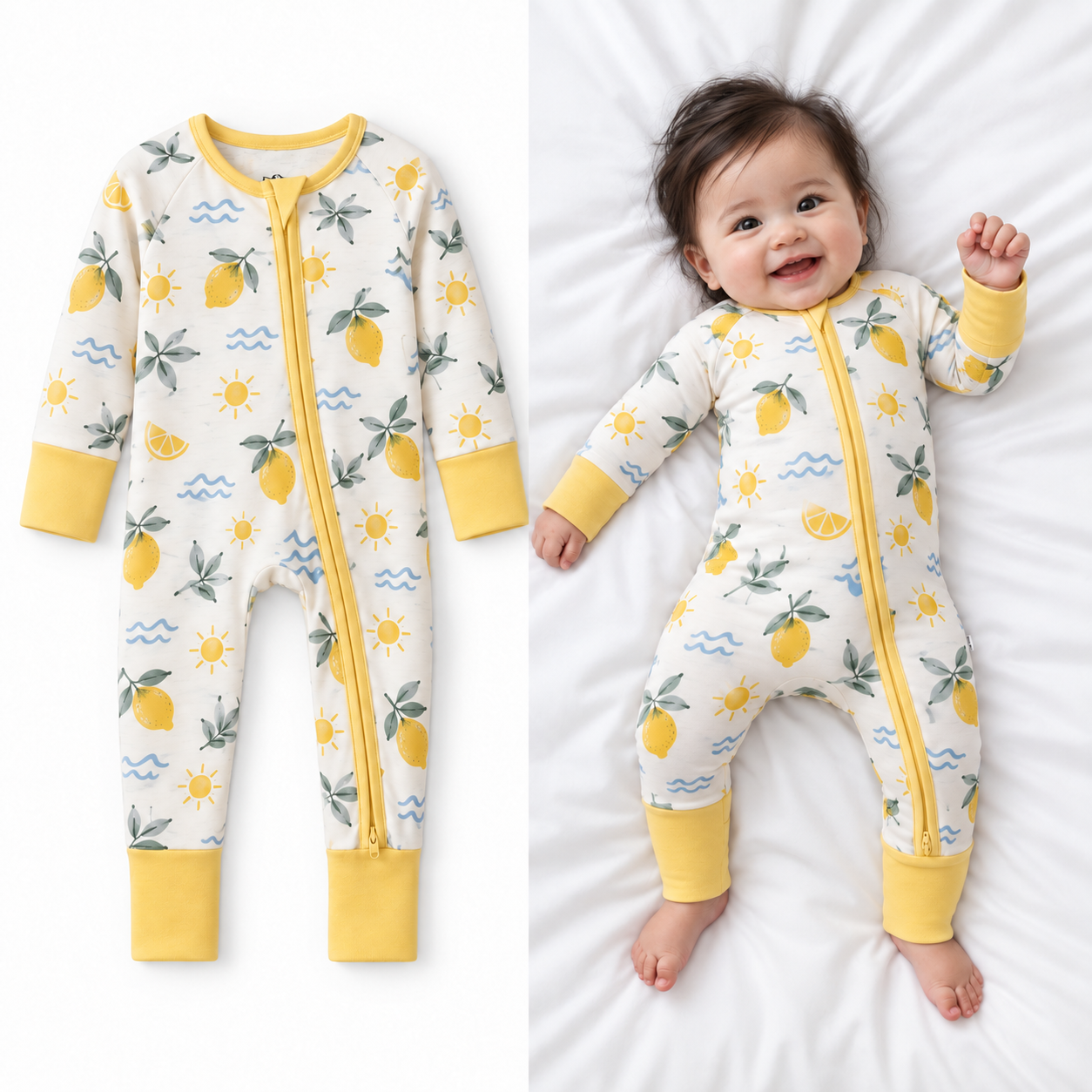

BABY CLOTHING OEM & ODM · DIRECT FACTORY
Build your babywear collection from brief to bulk.
RUIXING supports US babywear brands, startups, wholesalers and retailers with custom bamboo garments, pattern and sample development, private labels, branded packaging and production quality control.
Discuss your OEM or ODM project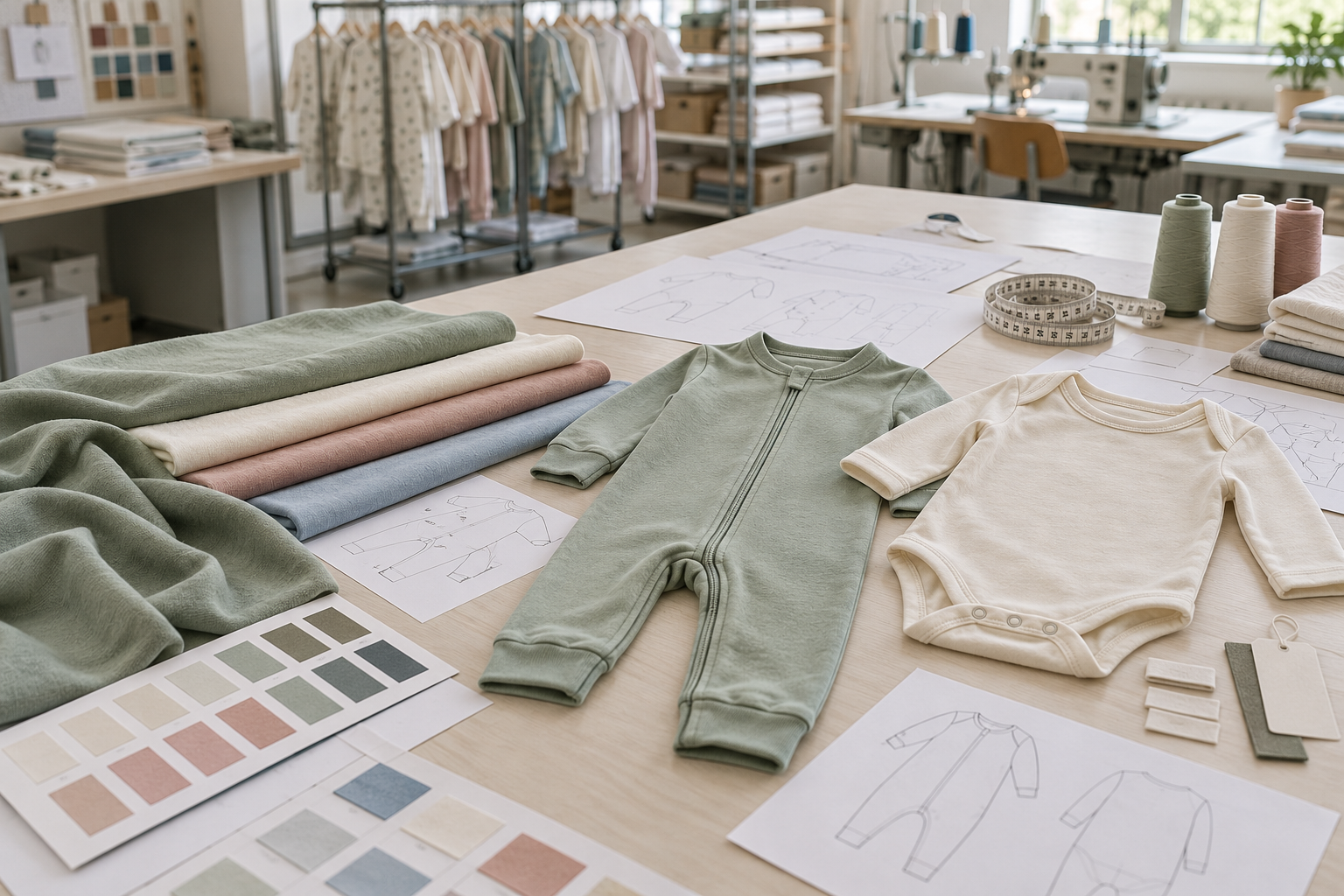
OEM + ODMTech pack or concept development
50 PCSTypical starting MOQ per style
3–7 DAYSStandard sample timing
PRIVATE LABELLabels, hangtags and packaging
START FROM A CATALOGUE STYLE
An idea is enough to start your collection.
Choose a style below, or send your own reference. We can help develop fabric, fit, prints and private labels. Catalogue styles are starting points for custom production; final specifications and minimums are confirmed for your project.
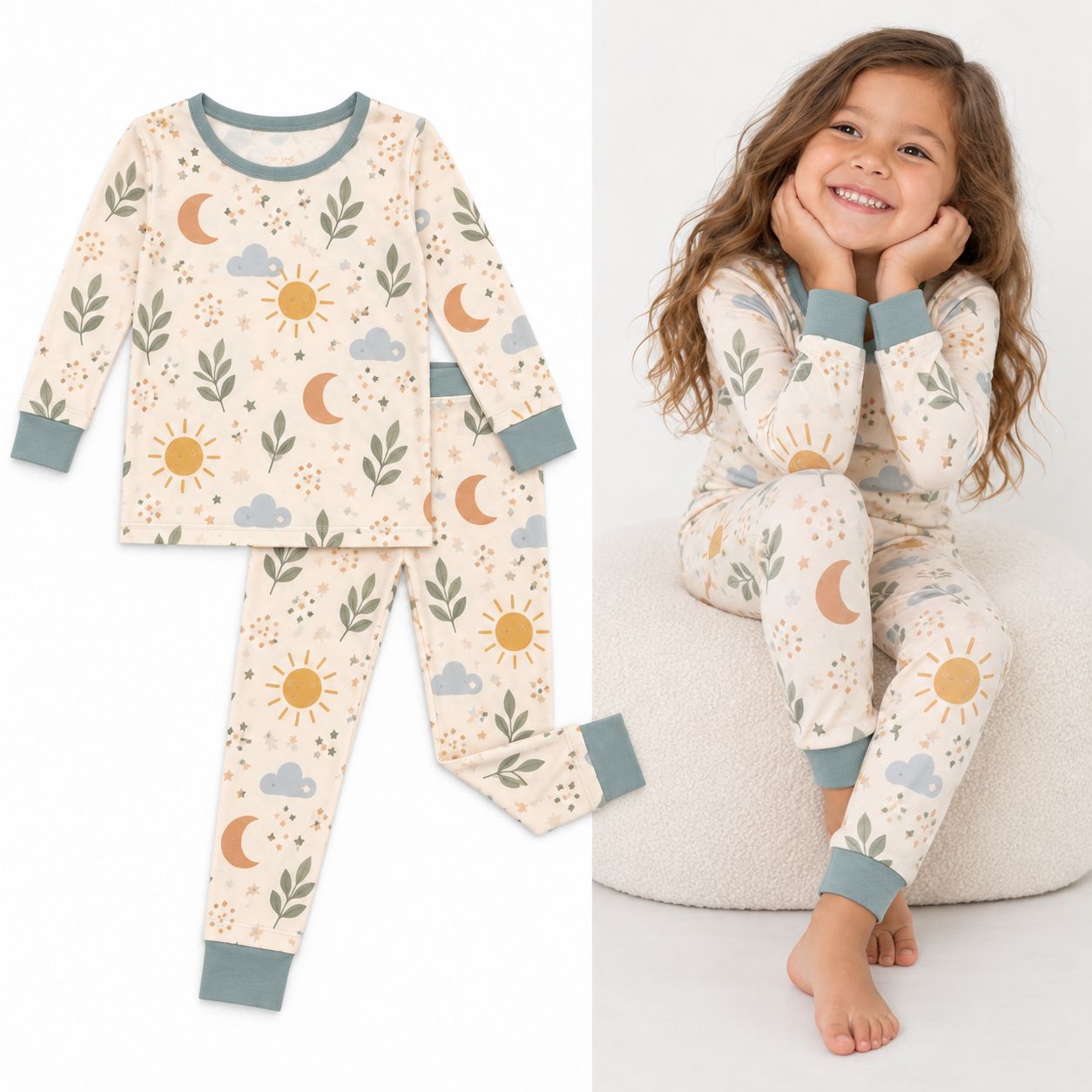
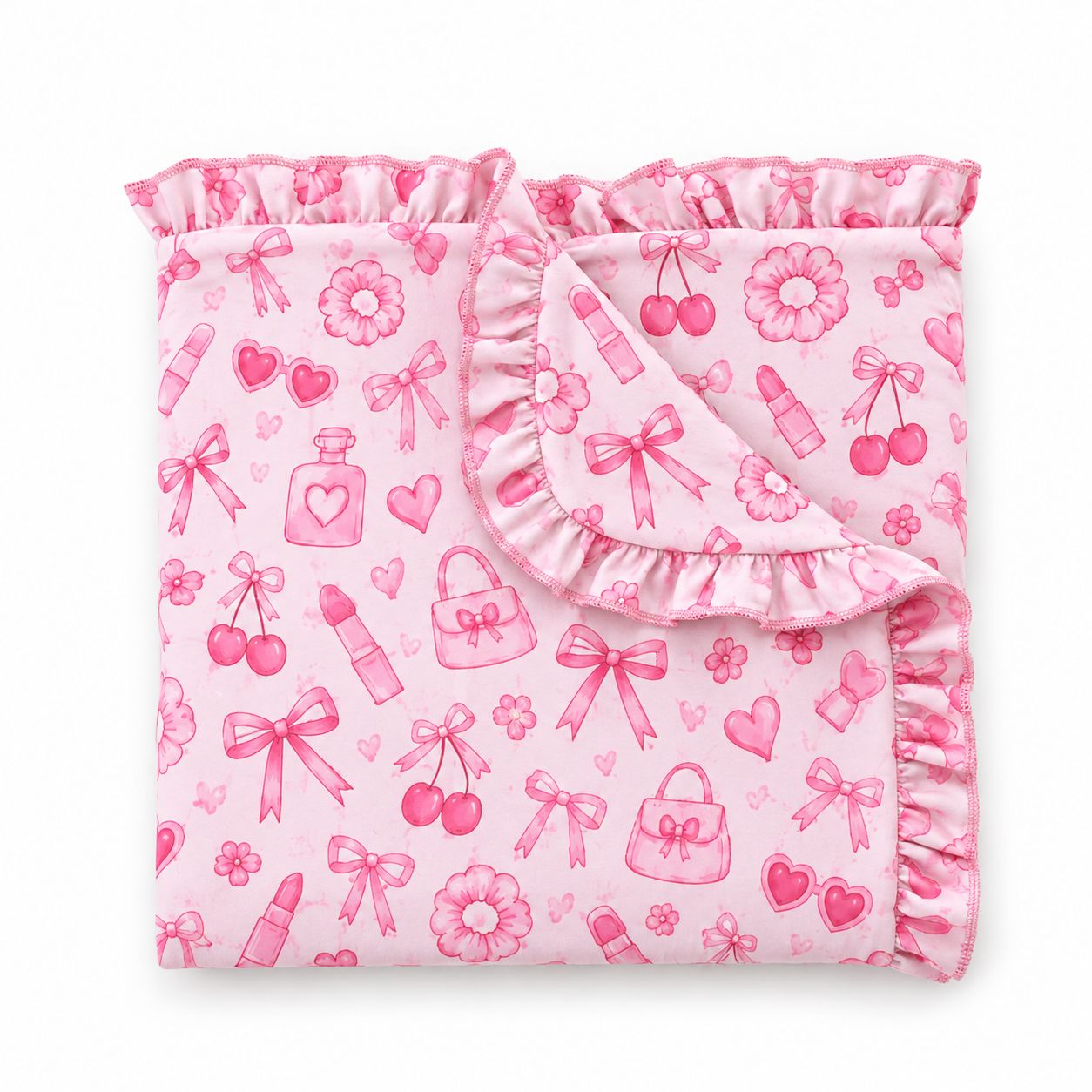
For the first conversation, send your email and a short idea. If available, add your quantity, target market and launch timing. We will review the brief and suggest the next sample step.
CHOOSE THE RIGHT DEVELOPMENT ROUTE
OEM when your specification is ready. ODM when the idea needs development.
For OEM orders, your technical pack, measurement chart, artwork and construction notes define the starting point. We review manufacturability, materials, tolerances and branding before sampling.
For ODM projects, share the customer, price direction, product categories and visual references. Our team helps shape the fabric, silhouette, construction, color or print, size range and packaging into one production-ready brief.
Define the range
Customer, sales channel, garment types, sizes, quantities, target price and launch date.
Select the fabric
Bamboo viscose, rib, modal or organic cotton specified by composition, knit, weight, stretch and finish.
Approve every detail
Print scale, color, zipper or snaps, woven or transfer labels, hangtags and retail packaging.
Control bulk quality
Approved sample, measurements, workmanship, closures, appearance, packing and final inspection.
OEM OR ODM: DEFINE THE STARTING POINT
Use the route that matches the information you already have
OEM and ODM are not two fixed packages. They describe how much product definition comes from the buyer and how much development support is needed from the factory. Identify what is confirmed, what is provisional and who approves each open decision.
- OEM starting file
- Technical pack, measurement chart, graded sizes, bill of materials, artwork, construction details and packaging instructions supplied by the brand
- ODM starting brief
- Customer, market, target price, product references, fabric direction, size range, order estimate, branding and launch timing
- Factory review
- Manufacturability, available materials, practical minimums, construction risks, sample scope, quotation assumptions and schedule
- Buyer approval
- Fit, measurements, fabric, color, print, trims, labels, packaging, testing plan and the final production standard
FIRST OEM / ODM ENQUIRY
Send one brief that produces a comparable quotation
Start with the garment category, front and back references, intended age and size range, fabric composition or performance direction, quantity per style and color, target market, labels, packaging and required arrival window. State which details are estimates and which are already approved.
A useful quotation should identify its assumptions. Ask whether sample development, custom print setup, labels, hangtags, individual bags, testing, inspection and freight are included or separate. Confirm minimums by style, fabric, color and artwork—not only the total collection quantity.
If you do not have a finished technical pack, review our startup product-development guide. You can still begin the conversation, but unresolved measurements, materials and construction must be closed before bulk production.
Feasibility and quotation assumptions
Record the product scope, quantities, available or custom materials, included services, exclusions, quote validity and shipping term. A reference photo alone does not define an exact garment.
Development sample review
Measure the sample, test closure function, review fabric and print appearance, and return one dated revision list. Record any substitute fabric or trim used during development.
Pre-production approval
Lock the approved sample, measurement chart and tolerances, material and color standards, artwork, trims, labels, packing and applicable testing plan before bulk cutting.
Production and shipment handoff
Connect inspection results, production batch details, test reports and packing records to the shipped style. Keep factory completion and destination arrival dates separate in the schedule.
FOR THE UNITED STATES
Plan product compliance and the importer data handoff before bulk production
The correct requirements depend on the garment, intended age, materials, trims and whether the product is classified as children’s sleepwear. Testing and label information should be confirmed before the production standard is locked.
For regulated US imports, the responsible importer should also confirm current certificate eFiling scope and prepare the required certificate data before shipment. RUIXING can organize the factory, production and testing information available for the finished style; the importer or domestic manufacturer remains responsible for issuing the CPC and meeting its filing obligations. Review our US baby clothing compliance guide and the CPSC testing and certificate guidance.
- Third-party testing
- Coordinate applicable testing with a CPSC-accepted laboratory for rules that require it
- CPC records
- Organize product, manufacturer, production, test and laboratory information needed by the US importer or domestic manufacturer
- Importer handoff
- Provide style, factory, batch and available report details early enough for the importer to prepare current certificate filings
- Material changes
- Reassess testing and certificate records when the fabric, colorant, trim, construction or other compliance-relevant detail changes
- Tracking label
- Plan permanent source, date and batch information for the product and packaging where practicable
- Sleepwear scope
- Confirm product classification, sizing, construction and flammability requirements early
BUYER QUESTIONS
Baby clothing OEM & ODM FAQ
What is the difference between baby clothing OEM and ODM?+
OEM usually starts with your design, tech pack or reference sample. ODM starts with a product direction that our development team helps turn into a manufacturable style. Both can include custom fabric, colors, prints, labels and packaging.
What should I send for an OEM quotation?+
Send the garment type, technical pack or clear reference images, fabric specification, size range, estimated quantity, branding and packaging requirements, destination market and target delivery date.
Can a startup use your ODM service?+
Yes. A startup can begin with a focused capsule collection. The practical MOQ depends on fabric availability, custom color or print method, size ratio, trims and packaging.
How long does babywear sampling take?+
A standard sample commonly takes 3–7 days after the design, material and construction details are confirmed. Custom fabric, printing, trims or multiple revisions can extend the timeline.
Do you issue a CPC for products sold in the United States?+
The importer or domestic manufacturer is responsible for the Children’s Product Certificate. We can coordinate applicable testing information, production details and supporting records with qualified third-party laboratories.
Can I request an ODM quotation without a finished tech pack?+
Yes. Send clear product references, intended customer and market, target fabric, size range, estimated quantity, branding needs, target price direction and delivery window. The first quotation is based on stated assumptions and should be reconfirmed after the specification is finalized.
What should an OEM or ODM quotation identify?+
Ask for the garment scope, quantity assumptions, included labels and packaging, sample fee and revision scope, material or print minimums, testing exclusions, shipping term, quote validity and the approvals required before production.
What information does a US importer need from the factory for certificate records?+
The exact requirement depends on the product, but the handoff may include product identification, applicable rules, manufacturer and production location, production date or batch, test dates, test locations and CPSC-accepted laboratory details. The responsible US importer or domestic manufacturer completes the CPC and confirms current filing obligations.
Prepare a clear development request
Compare our private-label service for US brands, low-MOQ manufacturing options, bamboo babywear capabilities, custom bamboo zippy romper program, product collection guide, OEM sampling checklist and factory audit checklist.
Send your product brief